Rawness Grow
A Sommelier for the Living Landscape
A living culinary landscape is not read from a calendar. It is read from the plant, the season and the moment.
As the landscape changes, Rawness helps the owner, household team or private chef understand what is happening within it.
What is ready today? Which pepper needs another week? Which courgette should be taken young while the flowers are still useful? Which citrus is moving into its best window? Which herb is about to flower, changing both its aroma and its culinary possibilities? Which unusual cultivar is producing something worth tasting side by side with another?
Over time, those observations become familiar.
Ripeness becomes something you recognise. Season becomes something you anticipate. The garden becomes somewhere you enter with curiosity rather than a place that silently produces in the background.
Rawness can guide a harvest walk, communicate what is ready, suggest an ingredient or help a chef understand what the landscape will offer in the coming days.
We help deepen your relationship with the garden, so ripeness, season and harvest become increasingly intuitive.
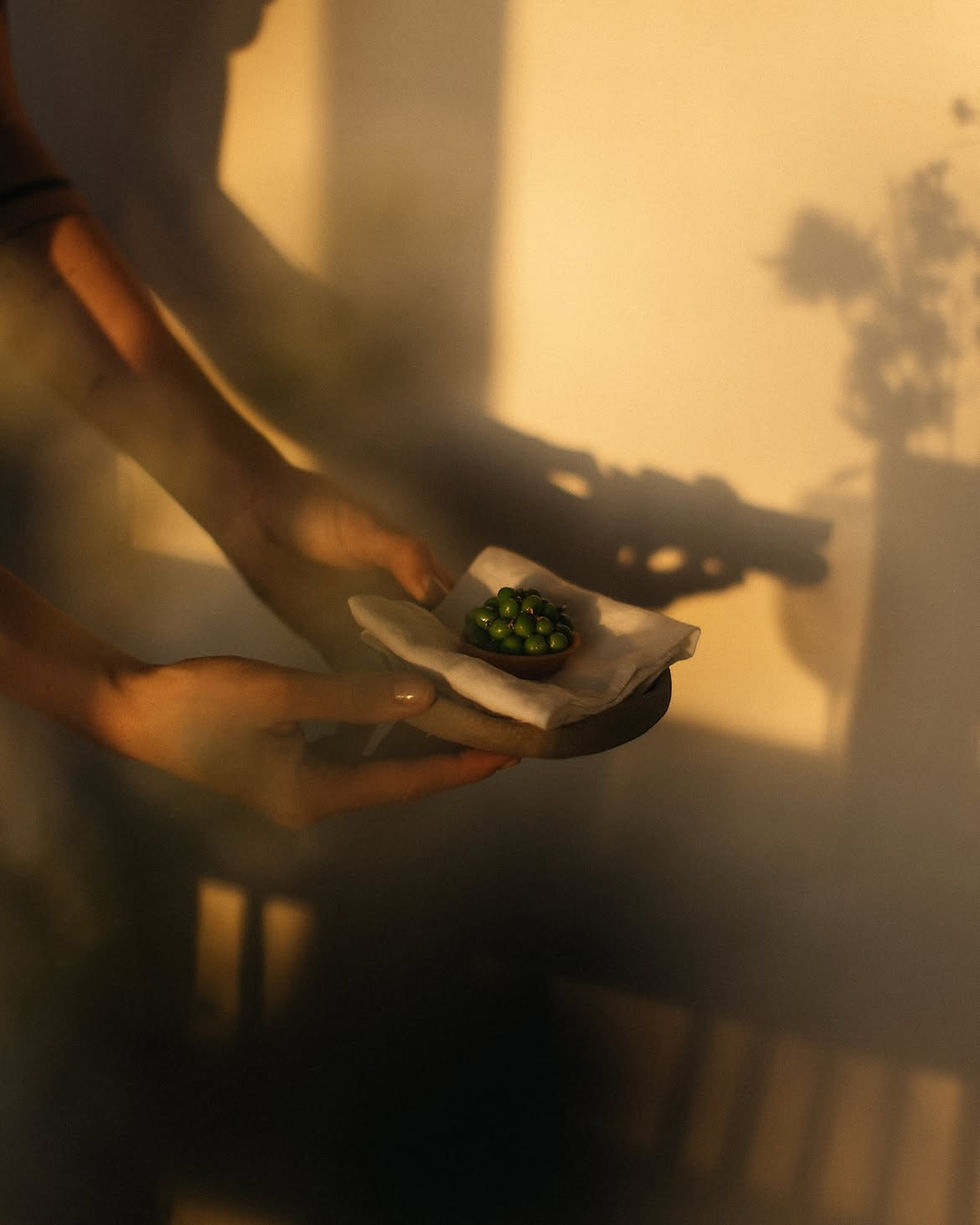
The Ritual of Self-Harvest
Once you begin to read the landscape, harvesting becomes part of the experience itself.
The principle remains beautifully simple:
We grow it. You harvest it.
A Living Pantry allows ingredients to remain part of the plant until they are actually wanted. The kitchen can step outside for crisp leaves and edible flowers before service, cut several herbs in different aromatic registers, choose roots at the desired stage of maturity or leave fruit where it is for another day.
Guests can wander through the garden and discover that the ingredients around them are not simply categories. One leaf is peppery, another bitter. One herb smells of citrus while another carries warmer spice. A single crop may appear in several colours, textures and flavours at once.
The act of harvesting therefore becomes more than procurement.
It becomes part of eating.
Self-harvest is not a task Rawness leaves behind.
It is part of what Rawness makes possible.
That sense of ease is made possible by continuous stewardship, seasonal planning and specialist care behind the scenes.

Private Culinary Gardening & Stewardship
A living pantry is not simply maintained. It is continuously composed through the seasons.
Rawness Grow is the year-round stewardship of a living culinary landscape.
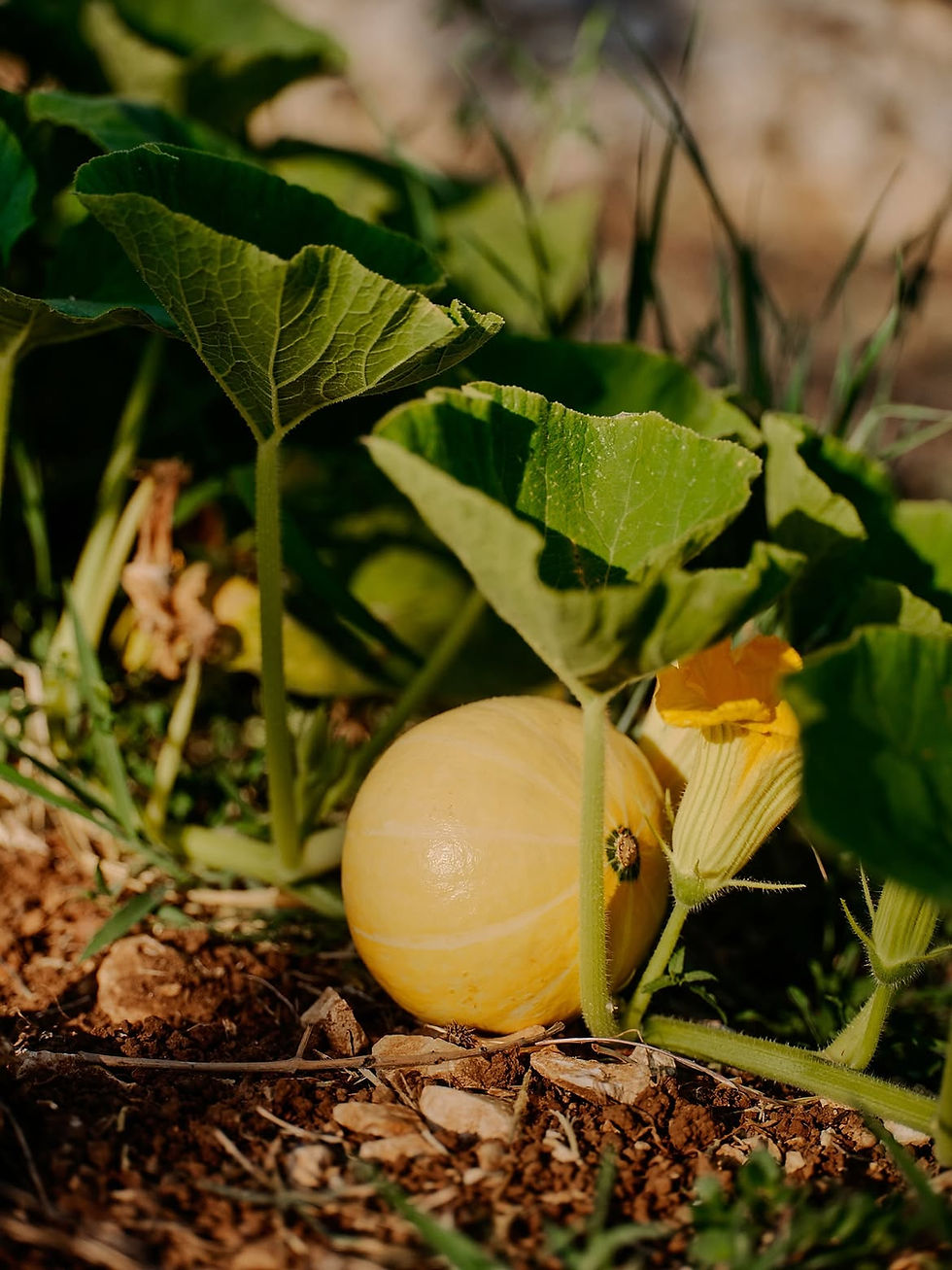
Across the seasons, the palette is constantly moving. Winter may bring bitter chicories, mustard leaves, purple and white radishes, brassicas, broad beans, citrus and cool-season herbs. Spring opens into tender peas, young alliums, artichokes, strawberries, mulberries and edible flowers. Summer layers melons, cucumbers, aubergines, peppers, heritage nightshades, multiple basils and warm-season aromatics beneath ripening stone fruit and figs. Autumn shifts again, towards grapes, pomegranates, quince, olives, pumpkins, roots and the first return of winter leaves.
The purpose is not to make every month look the same.
It is to make every season extraordinarily worth tasting.
Designed Months Before It Is Tasted
Every harvest has a history.
What appears in the garden today may have begun months earlier with a cultivar selected for flavour, a seed propagated, a bed prepared and the next succession already waiting behind it.
Rawness works forward in time. We decide which varieties should follow one another, when young plants need to be raised, which beds must become available next, where summer shade will be required and how early, mid and late cultivars can connect one harvest window to another. Irrigation, soil preparation, pruning, propagation and planting all happen in anticipation of something that may not become edible until weeks or months later.
A summer garden begins long before summer. Autumn crops enter propagation while the heat-loving plants are still producing. Winter leaves and roots are already being planned while late tomatoes, peppers and aubergines remain in the landscape.
What you harvest in summer often begins with decisions made in winter.
Diversity Within Diversity
One crop should never mean one expression.
Rawness does not cultivate a single representative version of an ingredient where the land can carry something richer.
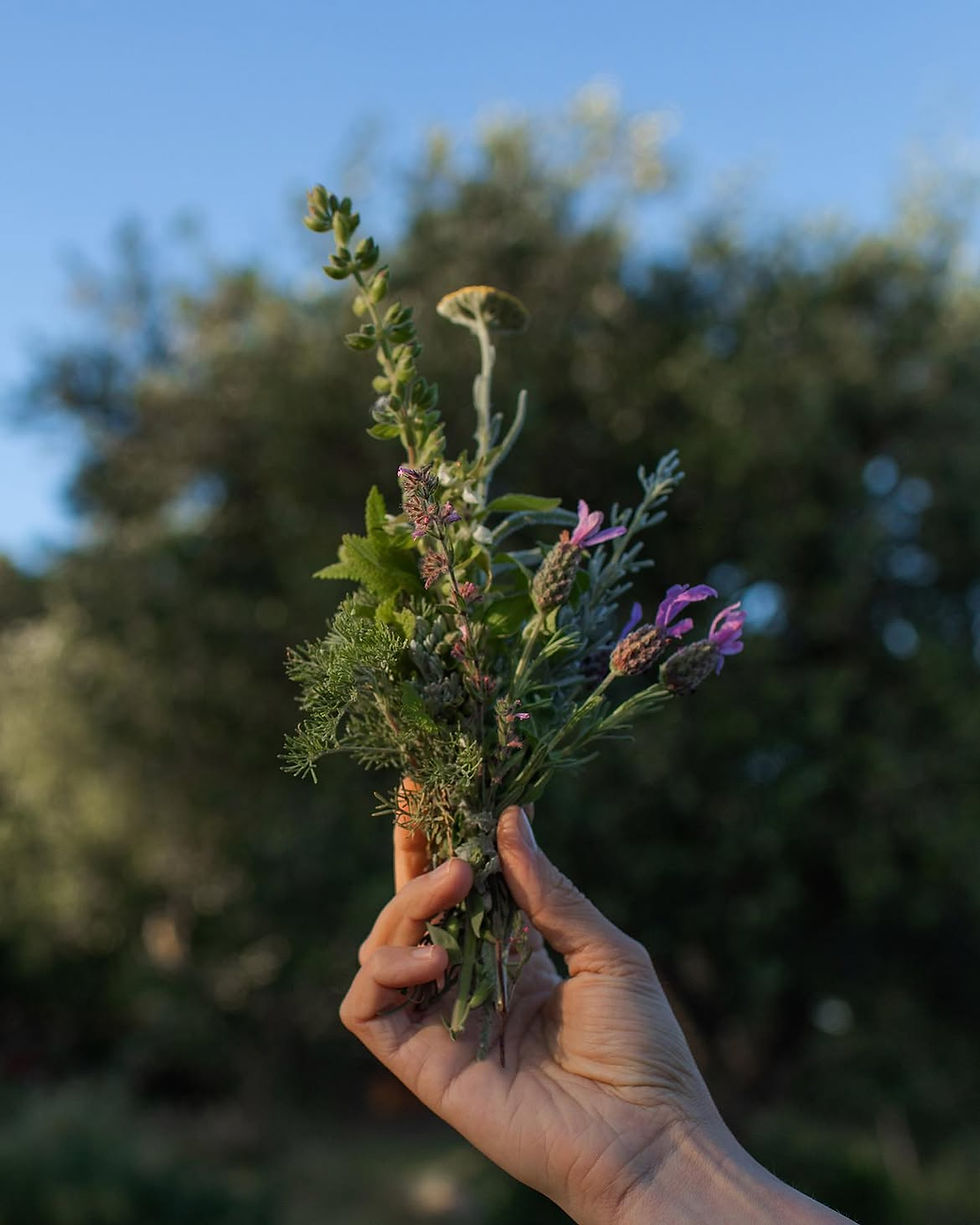
A radish bed might move through white, rose, scarlet, purple and elongated forms, each carrying its own texture, heat and culinary use. Basil may range from sweet Genovese forms to lemon, cinnamon, purple and Thai expressions. Coriander can move from leaf to flower, green seed and dry seed. Fennel can offer fronds, bulb, flower, pollen and seed. Chillies can span fresh citrus notes, fruitiness, smoke and radically different levels of heat.
The same principle extends through salads, brassicas, beans, melons, aubergines, grapes, citrus, stone fruit, nuts and the perennial herb layer.
Rawness cultivates almost exclusively from open-pollinated heirloom and heritage varieties, allowing selected exceptions where a local, resilient or culinarily exceptional cultivar genuinely belongs.
Multiple crops. Distinct cultivars. Staggered harvest windows. A compounding culinary palette.
Rawness deliberately builds culinary diversity through cultivar choice, season, harvest stage and edible part rather than counting crops as though each species were one uniform ingredient.


Cultivated for Flavour
Commercial agriculture has valid reasons to value uniformity, predictable ripening and transportability. A private culinary landscape can follow a different brief.
Rawness can select for flavour, aroma, texture, colour, culinary character, harvest timing and the specific terroir of the property. A cultivar does not need to survive a journey through wholesale and retail. It needs to grow well in that particular landscape and deserve its place in the kitchen.
Over time, the estate becomes a living genetic library. Exceptional performers can be propagated. New cultivars can be trialled. Several expressions of the same crop can be tasted alongside one another.
Cultivar gives the potential. Stewardship reveals it. Terroir gives it place.
Flavours shaped by Ibiza’s terroir.
The Private Culinary Gardeners
Rawness Grow is neither conventional garden maintenance nor commercial farming at a distance.
Our Private Culinary Gardeners work between horticulture, landscape and kitchen. We manage the biological complexity required to keep the system productive, but our responsibility does not stop when the plants are healthy.
We manage propagation, succession, soil, irrigation, pruning, plant health, perennial crops, crop replacement and the continual renewal of the productive system. But the work is also culinary: what does the household actually use? Which herbs deserve to sit closest to the kitchen? Which varieties excite the chef? Which crop is approaching its most interesting stage? What should be repeated next season, and what deserves to disappear?
The complexity belongs to Rawness.
The relationship with the harvest belongs to the household.
Harvest guidance and close coordination with the household or chef are part of the service, while self-harvest remains central to the experience.

365 Days. Never the Same 365 Days.
A Living Pantry follows the year rather than trying to flatten it.
Cooler months bring their own abundance: citrus, roots, brassicas, legumes, chicories, winter leaves and Mediterranean herbs. Spring introduces blossom, tender growth, berries, peas, young alliums and the first shifts towards warmer crops. Summer builds layers of fruiting vegetables, melons, aromatic herbs, stone fruit, figs and grapes. Autumn changes the register again through pomegranate, quince, olives, late fruit, pumpkins and the gradual return of roots, leaves and cool-season planting.
The objective is not to make January imitate August.
It is to orchestrate succession, cultivar choice, perennial layers and harvest stages so that every season has something worth anticipating.
The landscape itself is alive 365 days a year, and Rawness stewardship is planned across that complete cycle. What is being harvested now, what is forming for next month and what is only just beginning for the season ahead are all part of the same system.
The ingredients change. The Living Pantry remains.
Stewardship That Learns
A Rawness landscape is never treated as finished.
Every season produces information.
A cultivar may prove exceptionally adapted to one protected corner of a property. Another may struggle despite looking perfect on paper. A shaded bed may outperform expectations. A particular succession may need to move forward by three weeks. A chef may discover that the flowers, immature seed or young leaves of a crop are more valuable to the kitchen than the mature ingredient originally planned.
We observe those responses and use them.
Strong material can be propagated. Harvest windows can be extended. Weak performers can be replaced. New genetics can be introduced carefully. The landscape becomes more precise because Rawness develops property-specific knowledge through time.
The garden grows. Our understanding of it grows with it.
From Grow to Taste
Fresh produce is only one expression of what the landscape can give.
Rawness Grow offers the immediacy of ingredients at the moment of harvest: leaves cut fresh, roots pulled from the soil, fruit taken at ripeness, herbs used while their aroma is still alive around them.
Rawness Taste opens another world.
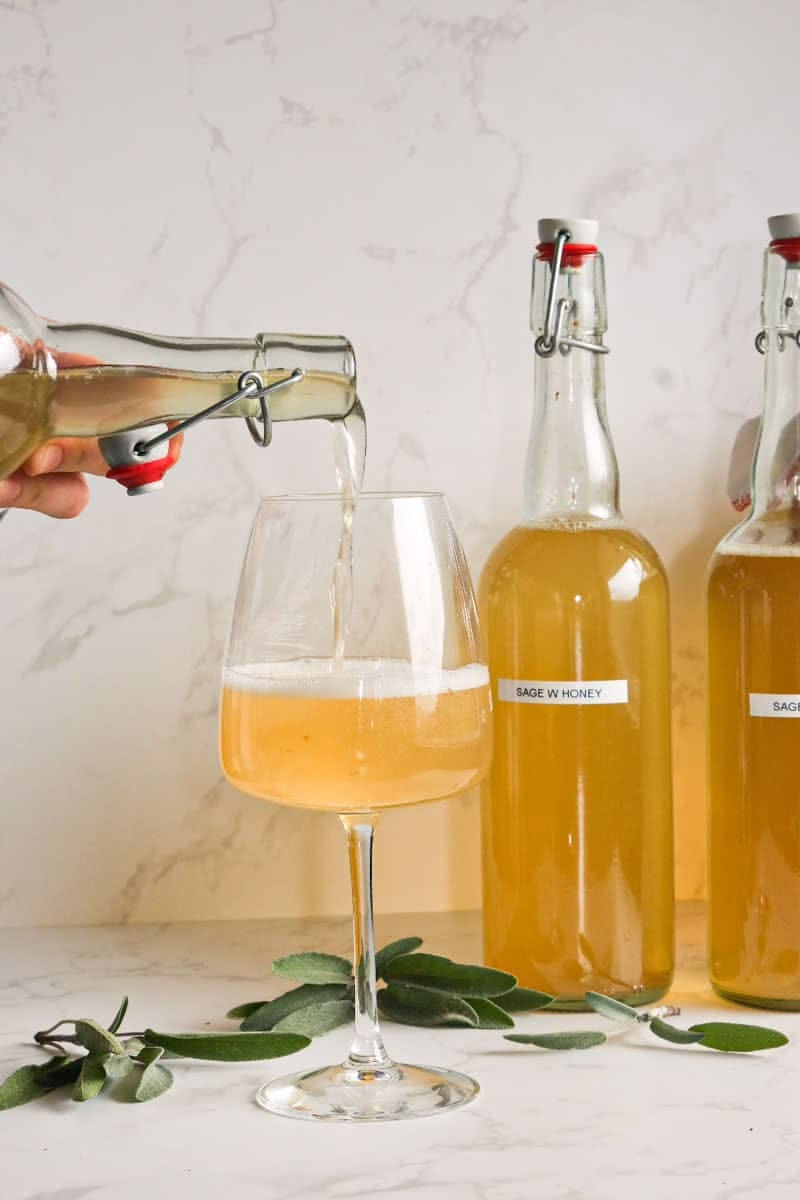
Fermentation, preserving, pressing, drying and ageing transform those same ingredients into entirely new expressions. Cucumbers become pickles. Grapes become natural wine. Olives become oil. Fruit becomes vinegar or preserve. Chillies become fermented sauces. Herbs, flowers and aromatics move into infusions, salts, vinegars and other seasonal Pantry Goods.
Taste does not simply extend the harvest.
It changes what the harvest can become.
A fresh ingredient belongs to one moment. A transformed ingredient can carry that moment forward, deepen it, alter it and make it available in another season, another form and another ritual.
Rawness offers both experiences: the ingredient as it grows, and the ingredient transformed by craft.
Grow reveals the season. Taste transforms its possibilities.
A Living Relationship
Rawness Grow is ultimately not about keeping a garden neat.
It is about carrying a sophisticated culinary system through time so that the people living with it can experience the extraordinary breadth of what their own land is capable of producing.
Different seasons. Different cultivars. Different colours, aromas, textures and moments of ripeness. A landscape continually changing, while someone is always thinking months ahead about what comes next.
We carry the horticultural complexity. You live with the abundance.