THE JOURNAL
The Living Pantry
What changes when ingredients remain growing until they are needed.

BOTANICAL
There is a familiar rhythm to fresh food. We buy it, bring it home and put it somewhere cool until we are ready to use it. The refrigerator has become such a natural extension of the kitchen that we rarely question the sequence. An ingredient is harvested first; freshness is preserved afterwards.
A Living Pantry begins from a different idea. What if part of that fresh inventory did not need to be harvested in advance at all? What if the strawberry remained on the plant, the tomato on the vine, the fig on the tree and the herbs rooted in the soil until they were actually wanted in the kitchen?
Instead of harvesting first and then trying to preserve freshness, the ingredient remains growing until the moment it is needed.
It sounds like a small distinction. In practice, it changes much more than where food is stored.
True freshness cannot be bought.
It can only be grown where you live.
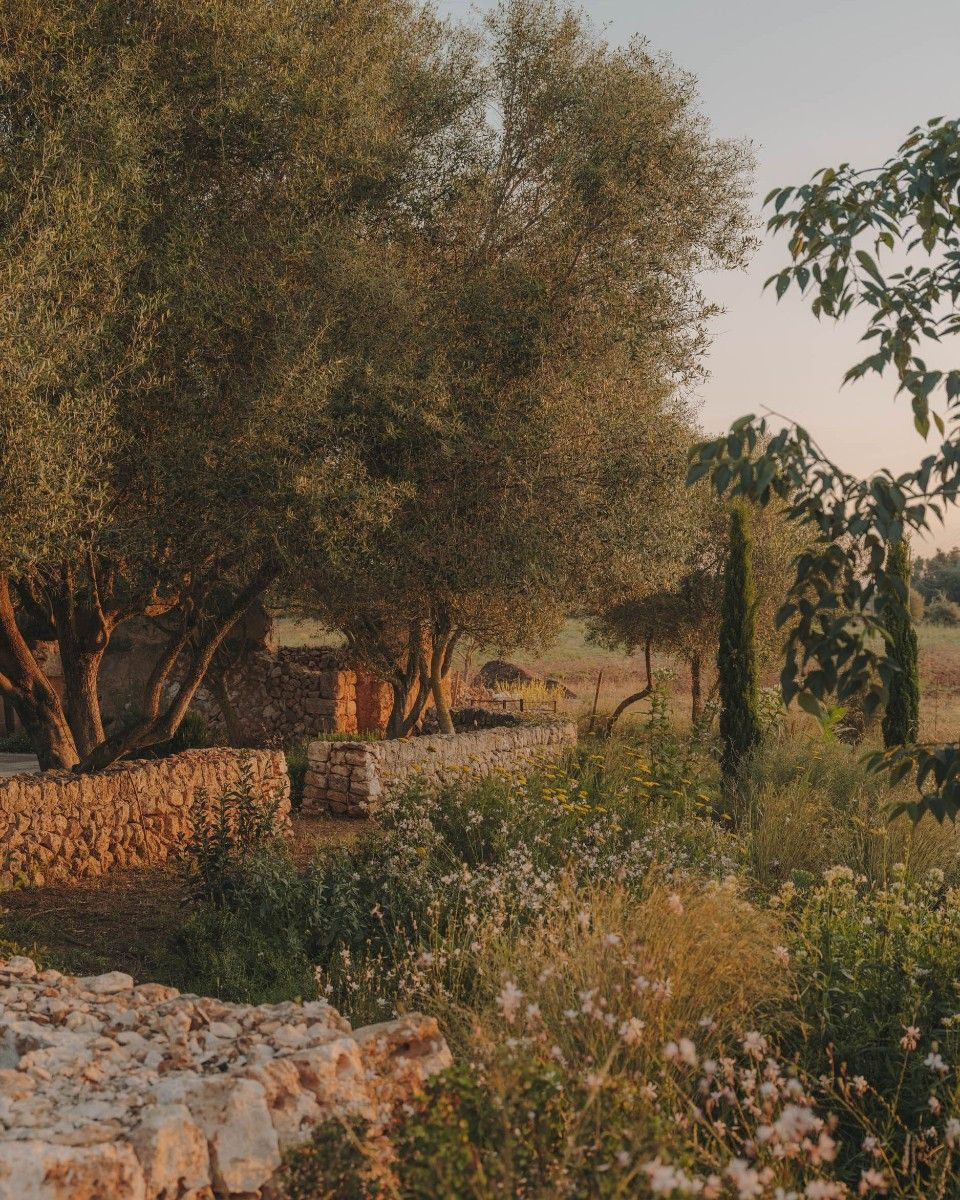
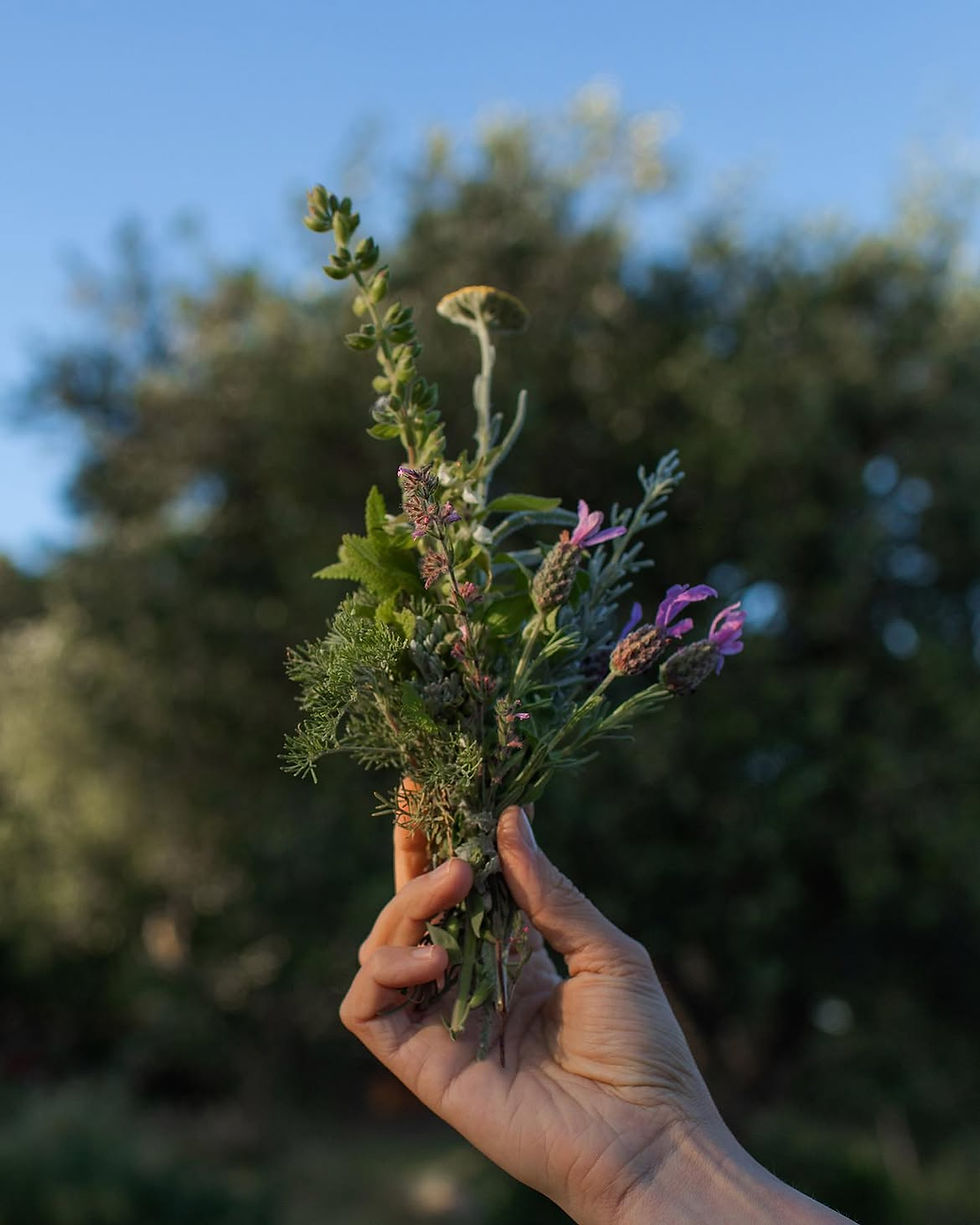
Freshness before storage
Once a fruit, vegetable or herb is harvested, it is separated from the living plant that sustained it. It does not immediately stop being alive, but from that moment onwards it begins a different biological journey. Water balance changes, respiration continues, tissues develop and soften, and aroma, texture and nutritional compounds can change over time. Exactly what happens, and how quickly, differs enormously between a raspberry, a carrot, a peach or a sprig of mint.
Modern refrigeration is remarkably good at slowing many of those processes. But slowing change is fundamentally different from leaving an ingredient growing.
That distinction becomes particularly interesting when the garden and kitchen belong to the same place. There is no reason for every ripe ingredient to be harvested simply because it has become harvestable. Many crops offer a window in which they can remain on the plant while their maturity is watched and the right moment is chosen.
That window is different for every ingredient. Soft berries ask for attention relatively quickly. A courgette continues growing and eventually moves beyond the young, tender stage desired in the kitchen. A fig softens as it ripens and becomes increasingly aromatic before eventually becoming overripe. Tomatoes, peppers, stone fruit, citrus, grapes and countless other crops each move through maturity in their own way.
The garden therefore becomes something a refrigerator can never quite be: a place where part of the fresh inventory is still developing rather than being preserved after harvest.
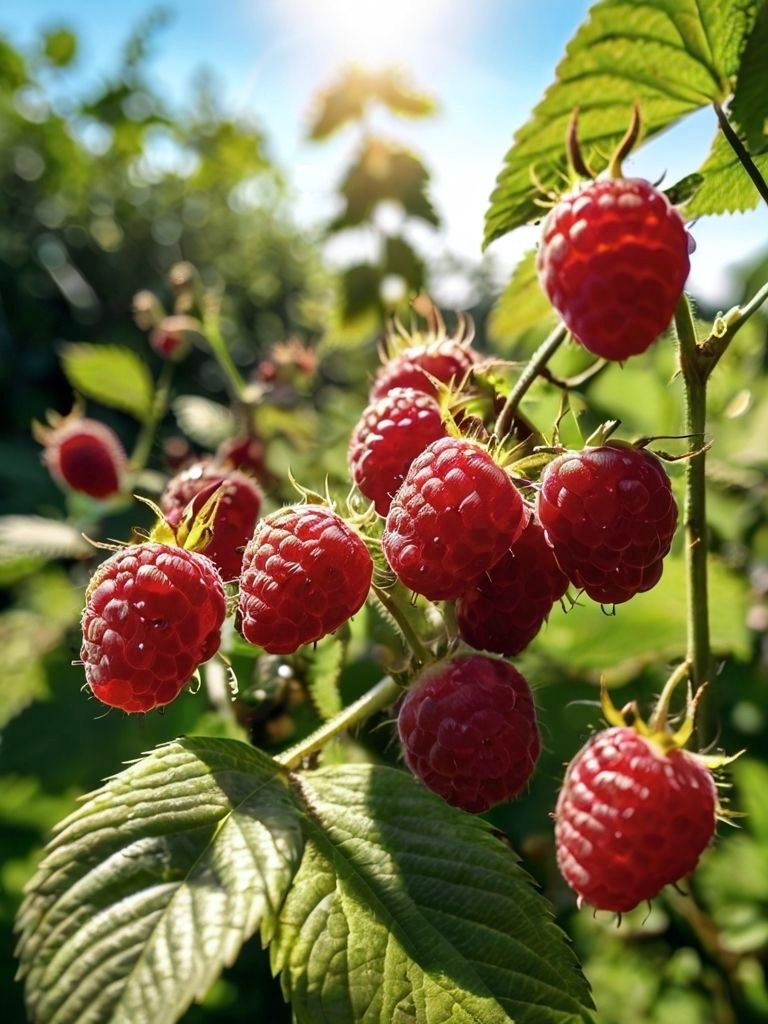
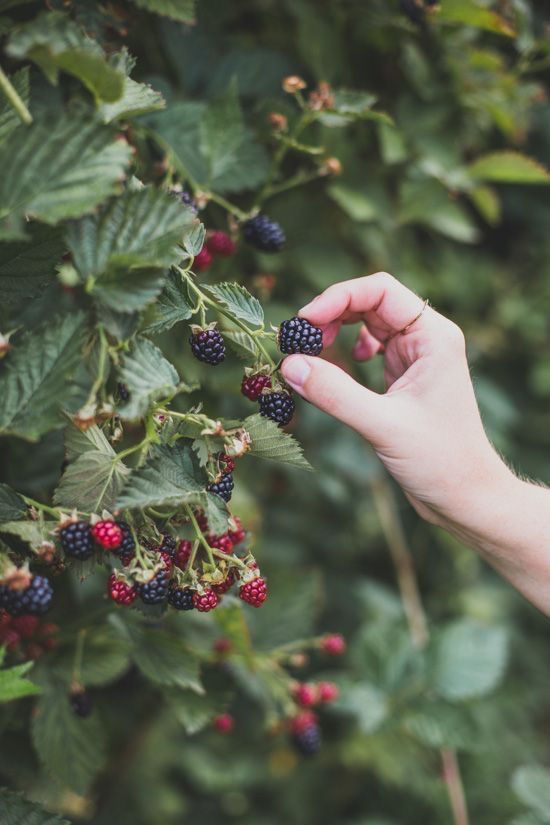
Ripeness is surprisingly readable
None of this needs to turn eating into horticultural science. One of the pleasures of growing food close to home is how quickly the landscape becomes readable.
A ripe raspberry has its colour and releases easily. A fig begins to soften beneath the fingers. The desired stage of a courgette is visible in its size and tenderness. Tomatoes change colour and feel as they mature. With grapes, sometimes the most useful test is also the most enjoyable one: taste a grape.
There is no universal definition of perfect ripeness because different ingredients are wanted at different stages. A chef may want a young courgette one day and its flowers another. Peas can be valued when they are small and delicate or later when the pod has filled. Herbs can be harvested as leaves, flowers or seed. Some chillies are wanted green; others are left to develop their mature colour and flavour.
The point is not to calculate the perfect second at which something must be harvested. It is almost the opposite. The landscape gives time to notice.
Rawness manages the cultivation behind that experience: planting, succession, propagation, soil, irrigation, plant health and the continuous renewal of the landscape. The household or chef encounters the much simpler end of the process — what is ready, what looks good and what belongs in the kitchen today. That is the practical meaning behind one of the simplest Rawness principles: we grow it; you harvest it.
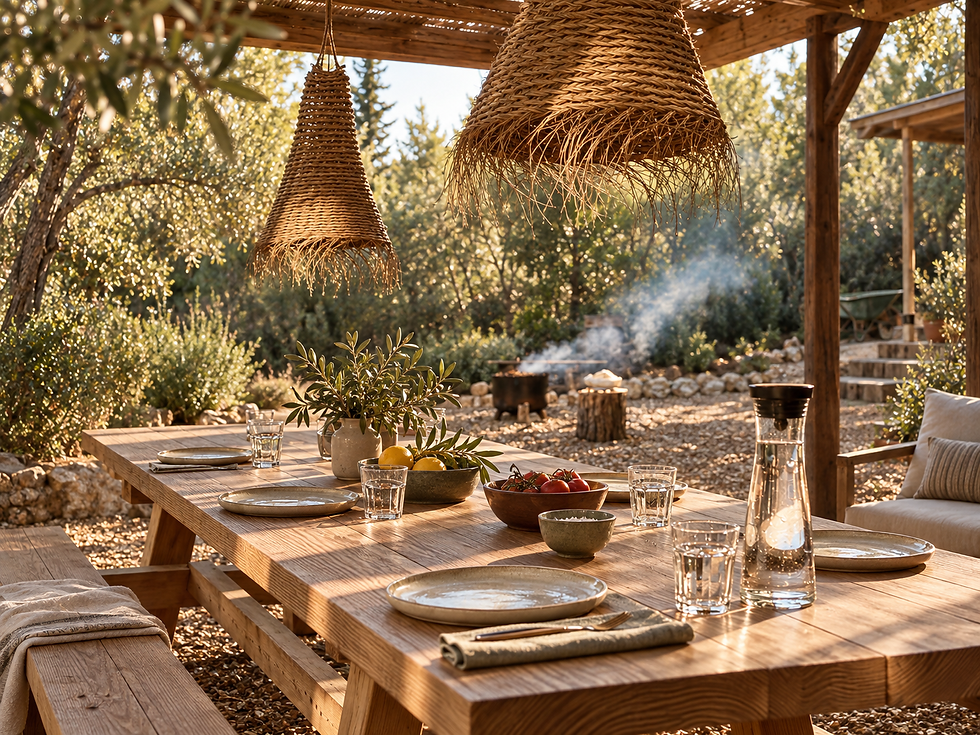
Freshness has many flavours
Freshness is often spoken about as though it were one quality. In reality, we experience it differently with almost every ingredient.
In a young cucumber or freshly harvested leaf, freshness may be felt as crispness and water. With peas it can appear as tenderness and sweetness. Soft fruit brings another experience entirely: perfume, juice and a texture that changes quickly as the fruit reaches full maturity. Fresh herbs release volatile aromas the moment they are touched, torn or cut. A peach or apricot develops softness and fragrance. A fig moves towards a completely different texture as it ripens. An edible flower may be prized precisely because of its delicacy.
There is another reason this matters. Freshness is not only something we recognise through crispness or texture; it can change the whole intensity of an ingredient. Aroma compounds are volatile, delicate leaves lose water, soft fruit continues to change after harvest, and some vitamins and naturally occurring phytochemicals are sensitive to time, temperature and storage. The exact response is different for every crop, which is why Rawness avoids pretending there is one universal rule for “maximum nutrition”. But when an ingredient can be harvested at an appropriate stage of maturity and used shortly afterwards, there is simply much less post-harvest time in which that character has to be preserved.
In the kitchen, that can be remarkably tangible. Herbs can arrive with their scent still extraordinarily vivid. Leaves can retain their snap and succulence. Berries can be eaten at a softness and maturity chosen for flavour rather than storage. A ripe peach, fig or tomato can bring perfume, juice, acidity, sweetness and texture together at the point for which it was actually grown. Colour can be deeper, fragrance more immediate and the experience of flavour more complete. Freshness stops being an abstract quality and becomes something that can be smelled, touched and tasted.
This is where the diversity of a Rawness landscape becomes particularly interesting. The experience is not simply repeated with a larger number of vegetables. Each part of the landscape contributes a different expression of freshness.
One morning that might be strawberries and soft fruit. Somewhere nearby, young leaves and herbs are ready for lunch. Courgettes and their flowers bring another texture entirely. As summer develops, tomatoes, peppers, cucumbers, melons and stone fruit begin to dominate. Figs and grapes follow their own rhythms. Later, pomegranates, persimmons, citrus, roots, brassicas, fennel and cool-season herbs change the character of the pantry again.
The first two Rawness Journal stories explore those ideas in greater depth: diversity within crops, and a landscape whose flavours change through the seasons. The Living Pantry adds another dimension. Whatever the season is offering can remain part of the living landscape until the moment comes to harvest it.
That is where cultivar, season and freshness finally meet on the plate.
A different relationship with the kitchen
There is also a practical simplicity to having food within reach.
We rarely count the steps involved in buying a few fresh ingredients. There is the journey to a shop or market, finding what is needed, bringing it home and storing it until it is used. This is completely ordinary, but it is not necessarily more convenient than gathering ingredients from immediately outside the house.
Harvesting a few strawberries or raspberries for breakfast can take minutes. So can gathering herbs and leaves for lunch, or several ripe vegetables for dinner. There are no opening hours and no additional journey. The inventory changes with the season, but access to what is ready is immediate.
And the experience of those few minutes is different.
There is a ritual in this that is easy to underestimate. Gathering something for a meal creates a brief reason to step outside, move through the landscape and pay attention to what is growing there. A handful of berries in the morning, herbs before lunch or something ripe for dinner may take only a few minutes, yet those minutes contain scent, touch, sunlight, shade and the simple pleasure of recognising where food comes from. The connection is physical rather than conceptual: the ingredient is seen on the plant, gathered by hand and carried directly into the kitchen.
Food is encountered where it grows. There is scent when herbs are brushed against, warmth in fruit exposed to the sun, shade beneath trees, insects moving between flowers and the visual clues of ingredients approaching maturity. What begins as the practical act of gathering food also becomes a small encounter with the landscape.
This is an important part of what Rawness brings back into everyday life. The client does not need to take on the work of maintaining a productive garden. The work remains ours. What becomes part of daily life is the rewarding end of it: the harvest.
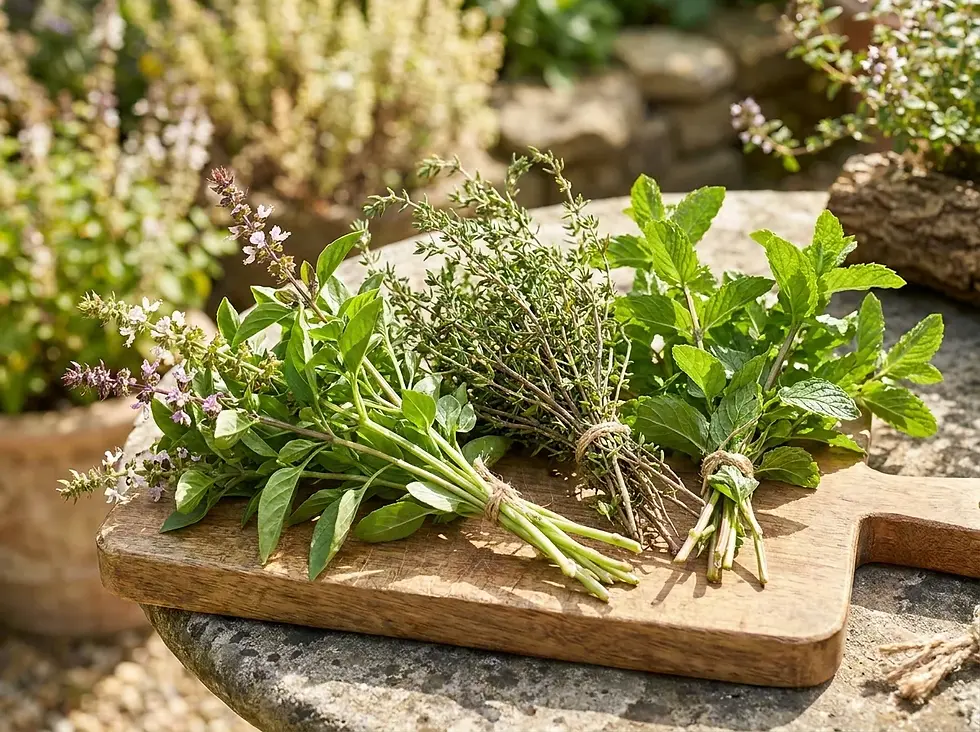
The garden as a pantry
A Living Pantry is therefore not simply another name for an edible garden.
A productive landscape has to be deliberately stewarded if it is to remain useful to a kitchen. Annual crops need to succeed one another. Herbs need renewing. Fruit trees, vines, berries and perennial crops develop over longer periods. Several cultivars can create different flavours and extend harvest windows. The composition changes continuously as one ingredient finishes and another begins.
Rawness brings those layers together around the way food is actually used at home. The objective is not maximum production and it is not having every ingredient available all year. It is a rich, changing palette of useful ingredients, growing close enough to the kitchen that they can be harvested according to need.
Some days the garden may provide only a few finishing ingredients. On others, a particular crop reaches abundance and begins to shape the meal itself. And when the landscape produces more than can reasonably remain fresh, that abundance can move into another expression through preserving, drying or fermentation. Fresh availability comes first; genuine abundance can continue into the pantry and later seasons.
The refrigerator does not disappear. Neither does the market, the local grower or any of the other ways good food reaches a home. The Living Pantry simply adds something that none of them can provide in quite the same way: the ability to leave part of the kitchen's fresh inventory alive until it is wanted.
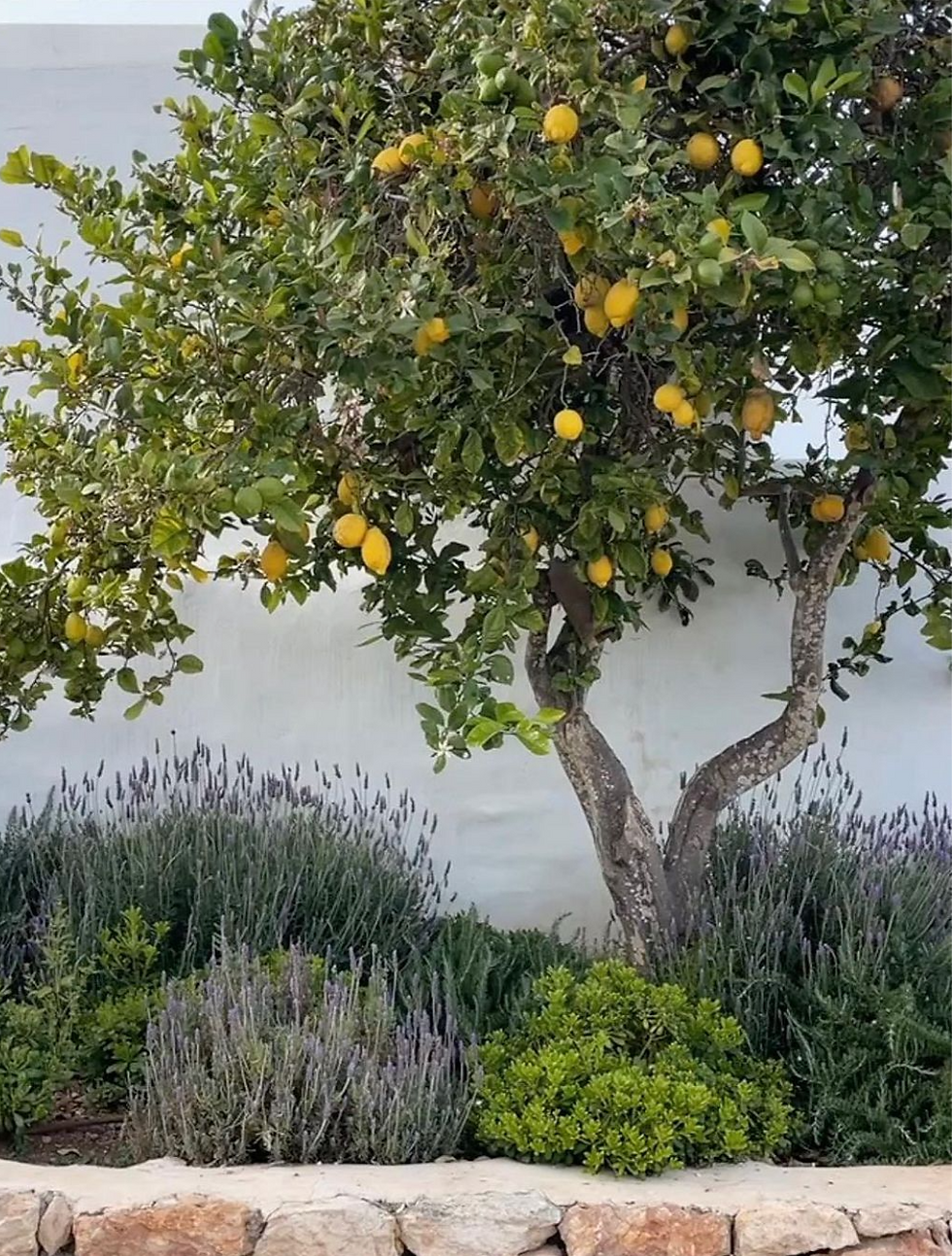
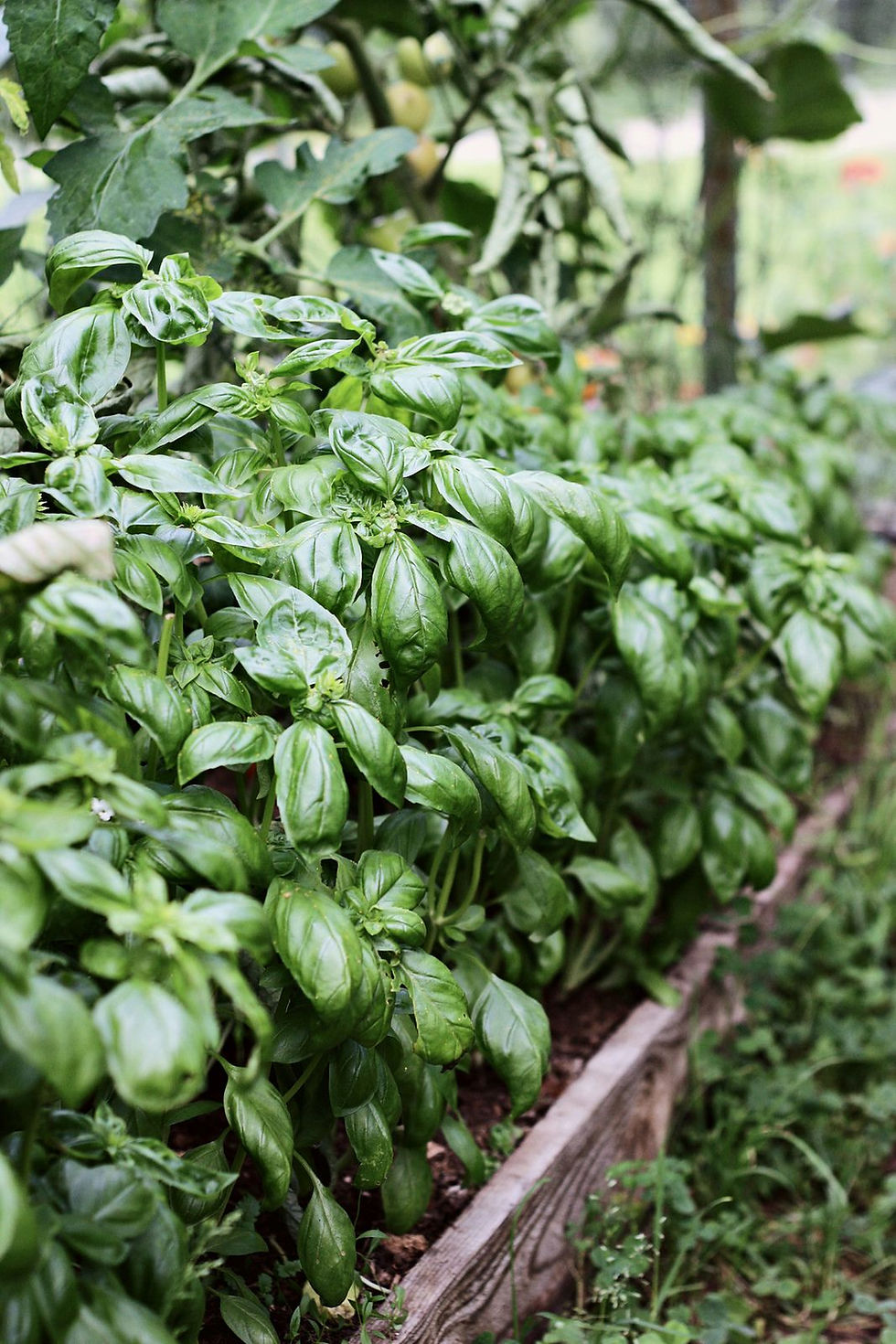
The moment before the meal
Perhaps that is ultimately what makes the idea so compelling.
A meal can begin before anyone enters the kitchen.
It begins with noticing that something has reached its moment. A berry has coloured. A fig has softened. The first peas are ready. A herb is flowering. A particular tomato has finally developed the colour that belongs to its cultivar.
Some of it is harvested. The rest remains outside.
There is no packaging to explain where it came from. No label is needed to describe its season. Its provenance is the landscape surrounding the house, and its freshness is measured by the short interval between being part of that landscape and becoming part of the meal.
That is the experience Rawness calls The Living Pantry.
A garden filled not simply with things that can be eaten, but with ingredients at different stages of becoming ready. Professionally grown and stewarded through the seasons, yet available at the simplest possible moment: when they are wanted.
The pantry normally begins after harvest.
The Living Pantry begins before it.

SEASONAL


BOTANICAL
heirloom heritage

Notes from a living landscape